Hit enter to search or ESC to close
18 March 2026
What is PIJ (Piezoelectric Inkjet) Printing Technology?
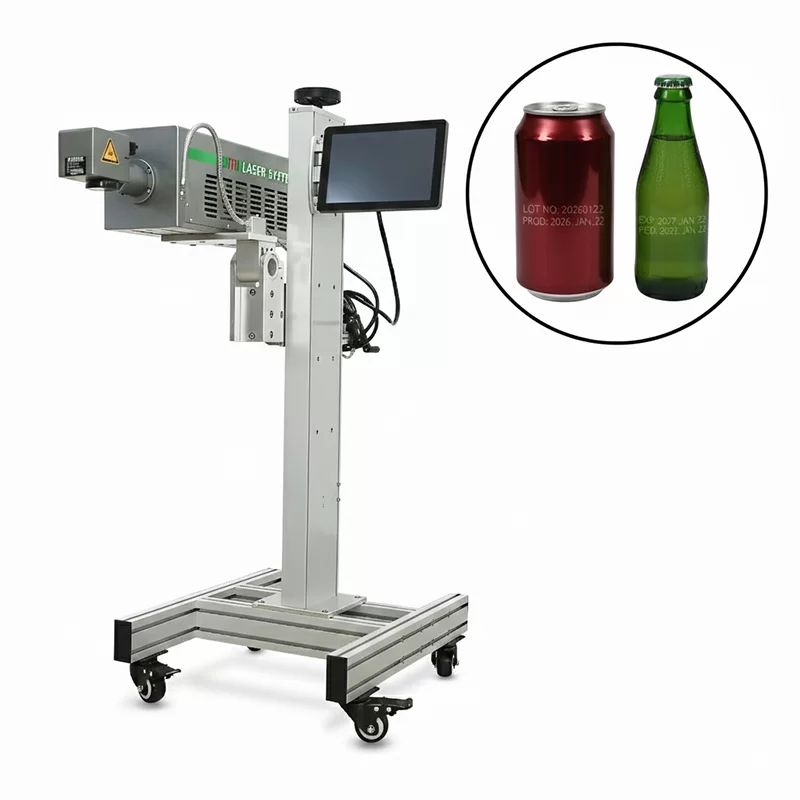
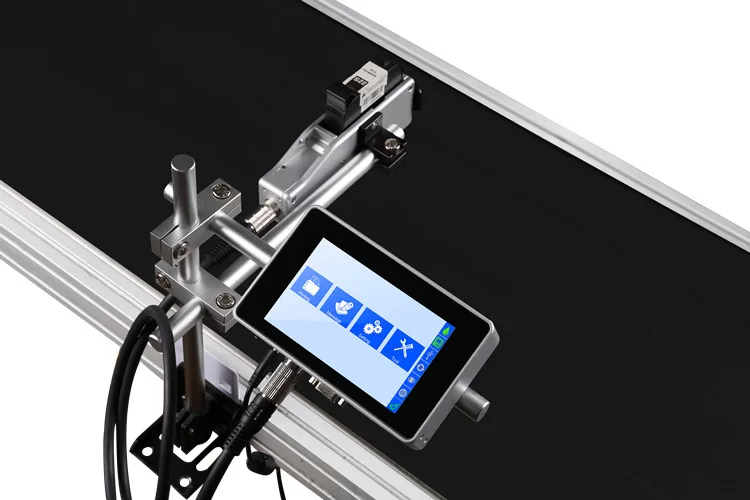
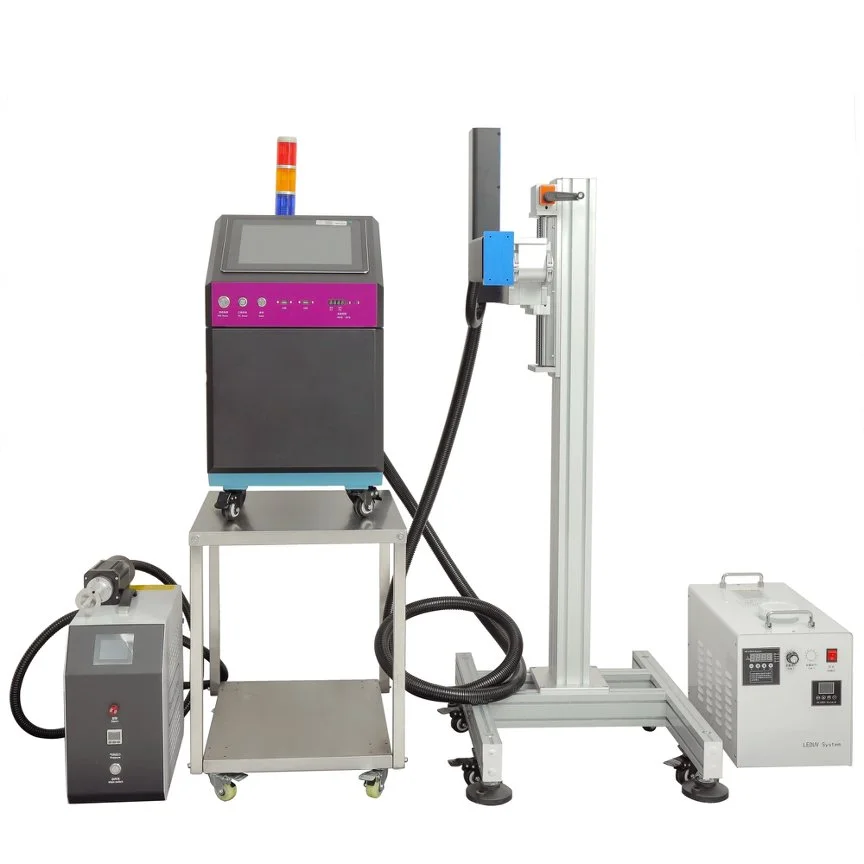
PIJ (Piezoelectric Inkjet) is a type of industrial drop-on-demand (DoD) printing technology. It uses a piezoelectric element within the printhead to generate pressure, forcing ink droplets out of the nozzle precisely when needed.
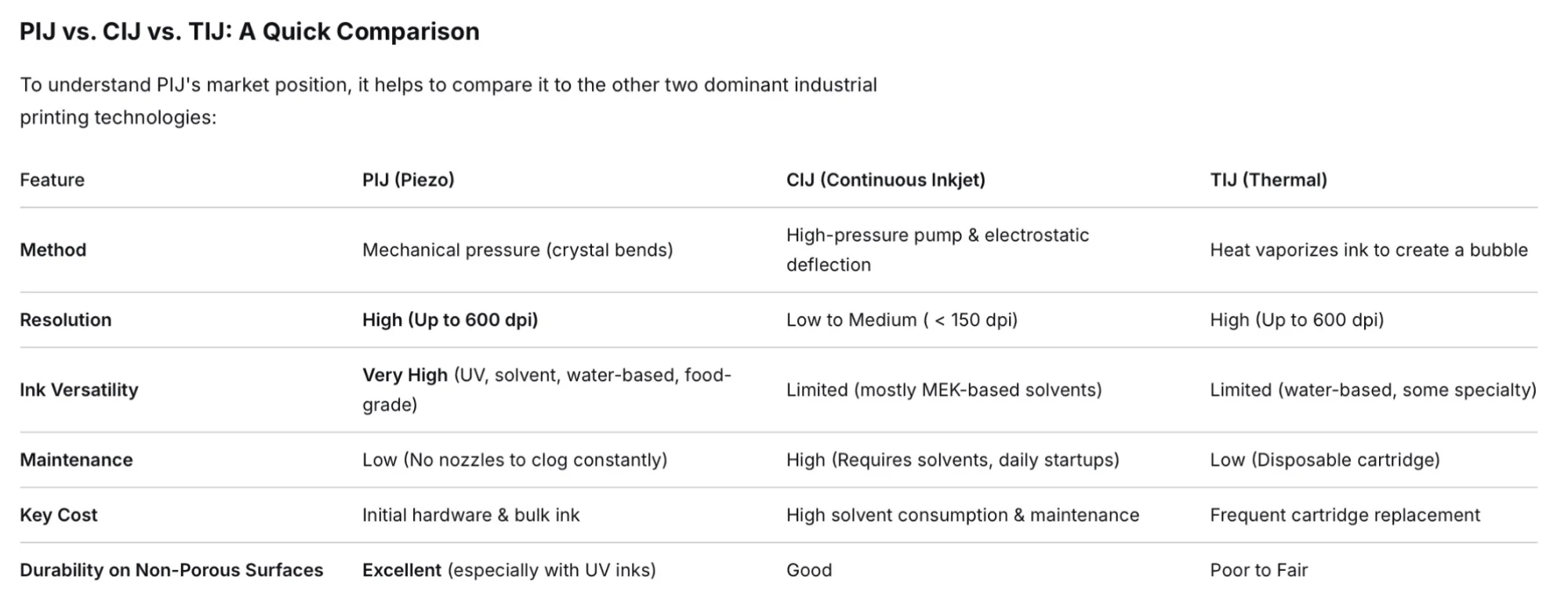
Unlike Continuous Inkjet (CIJ) which constantly recycles ink, or Thermal Inkjet (TIJ) which uses heat, PIJ uses a mechanical, non-thermal process to create droplets. This fundamental difference makes it the preferred choice for high-resolution coding on a wide variety of materials in manufacturing environments.
How It Works: The "Non-Thermal" Advantage
The core of the technology is a piezoelectric crystal located behind each nozzle in the printhead.
1.The Signal: When the printer needs to place a dot, an electrical voltage is applied to the crystal.
2.The Mechanical Action: The crystal instantly changes shape (bends or deforms) due to the voltage—a phenomenon known as the piezoelectric effect. This acts like a small, powerful pump.
3.Droplet Ejection: This mechanical deformation creates a pressure wave in the ink chamber, forcing a single, precise droplet of ink out of the nozzle.
4.Refilling: When the voltage stops, the crystal returns to its original shape, creating a vacuum that pulls fresh ink from the cartridge into the chamber, ready for the next drop.
Key Takeaway: Because it uses a physical "push" rather than heat to eject ink, PIJ is a "cold" technology. This allows it to handle a much wider range of inks.
Why Choose PIJ? Key Benefits for Industry
1.Superior Print Quality (High Resolution): PIJ printers typically produce 600 dpi resolution. This is essential for printing crisp human-readable text, complex logos, and—most importantly—dense, scannable 2D barcodes (like DataMatrix or QR codes) required for traceability and compliance (e.g., GS1, UDI).
2.Exceptional Ink Versatility: This is PIJ's greatest strength. The non-thermal ejection allows it to use specialized chemistries:
·UV-Curable Inks: For instant drying and extreme adhesion on plastics, metals, and glossy coatings.
·Food-Grade Inks: For safe, indirect contact with food items.
·Solvent & Water-Based Inks: Tailored for specific absorbent or non-absorbent substrates.
3.Low Total Cost of Ownership (TCO): Because it's a drop-on-demand system, there is virtually no ink waste. Unlike CIJ, which continuously evaporates and requires thinners, PIJ only uses the ink it prints. It also requires no factory air and minimal daily cleaning, leading to higher uptime.
4.Eco-Friendliness: Reduced ink waste, lower energy consumption (especially with LED-UV curing), and the ability to use solvent-free inks make PIJ a more sustainable choice.
Common Industrial Applications
You will find PIJ printers in sectors where code quality and durability are critical:
·Food & Beverage: Printing best-before dates and batch codes on coated cartons, flow-wraps, and beverage caps (often using UV inks for smear-proof codes).
·Pharmaceuticals: Marking small areas on vials, ampoules, and blister packs with UDI-compliant serial numbers and DataMatrix codes.
·Electronics: Applying high-contrast, durable codes on PCBs, connectors, and components where space is limited.
·Building Materials: Marking large characters, logos, and warnings on pipes, cables, and boards at high production speeds.
·Cosmetics & Personal Care: Printing high-quality decorative elements or variable data on tubes and bottles.
In summary, PIJ technology is the solution of choice when you need a durable, high-definition code on a challenging surface, while keeping long-term operational costs and waste low.